Riverside Garden: Where water and plants create sanctuary
Landscape · Water Integration · Native Plantings · 2024
About the project
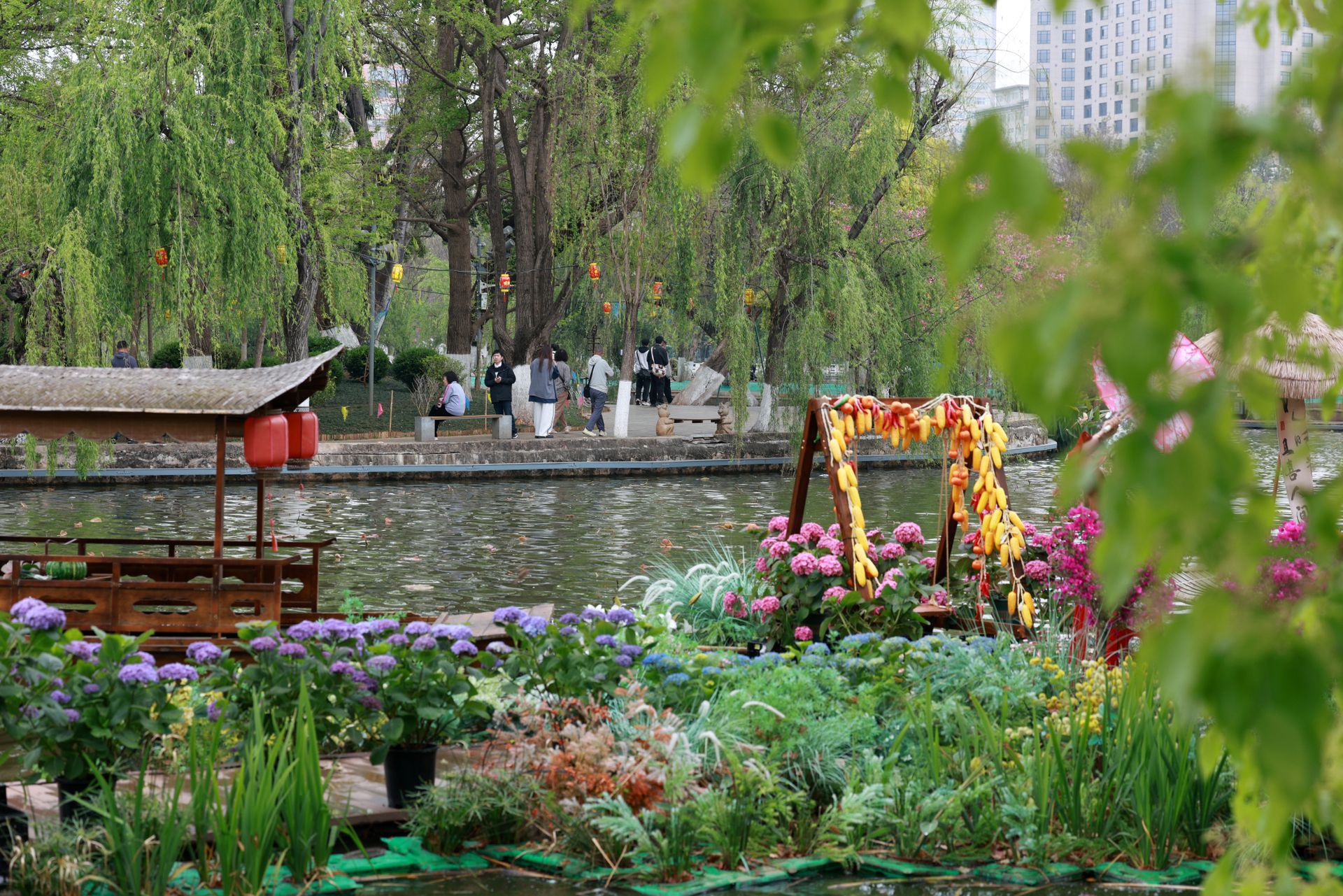
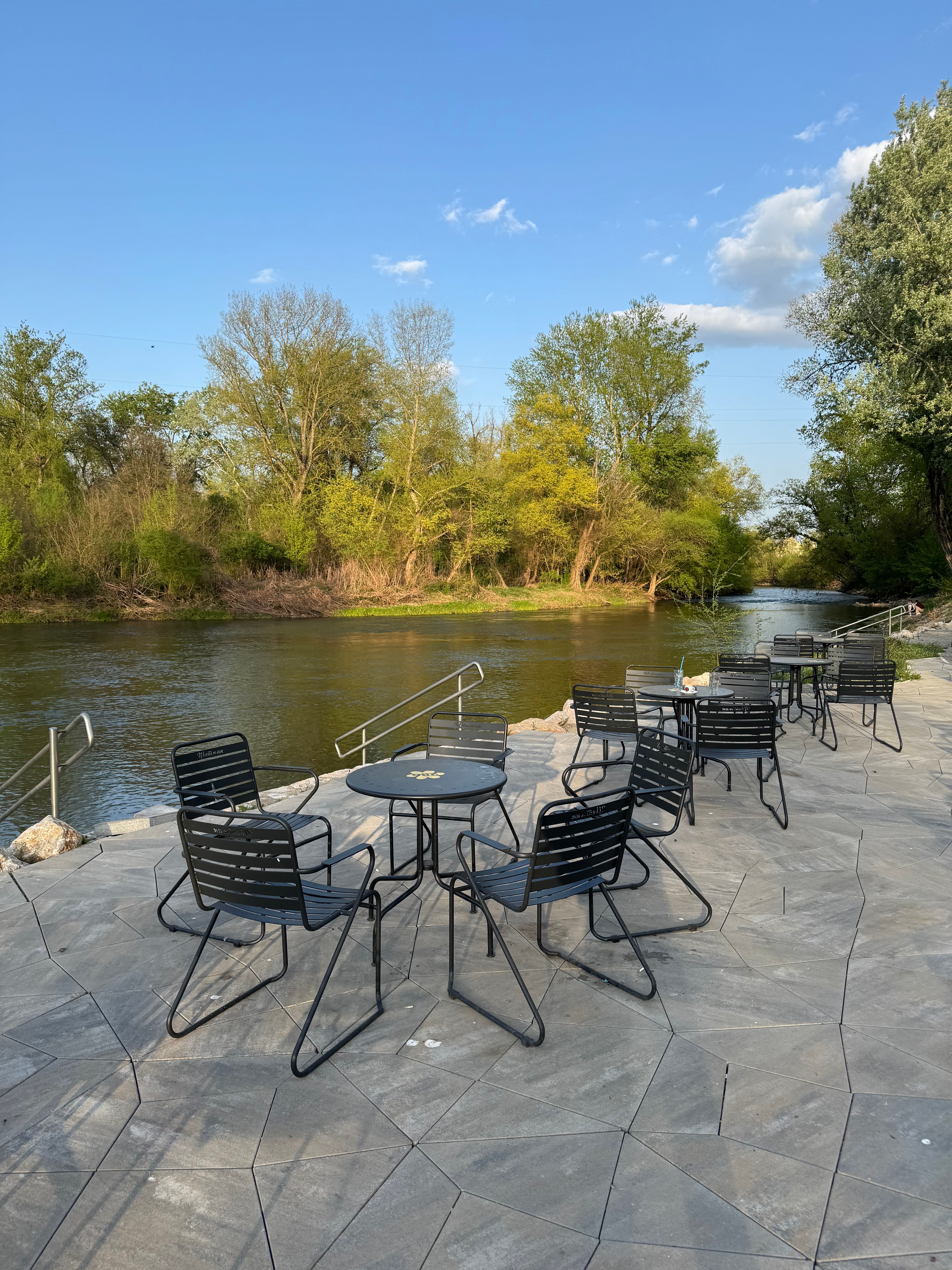
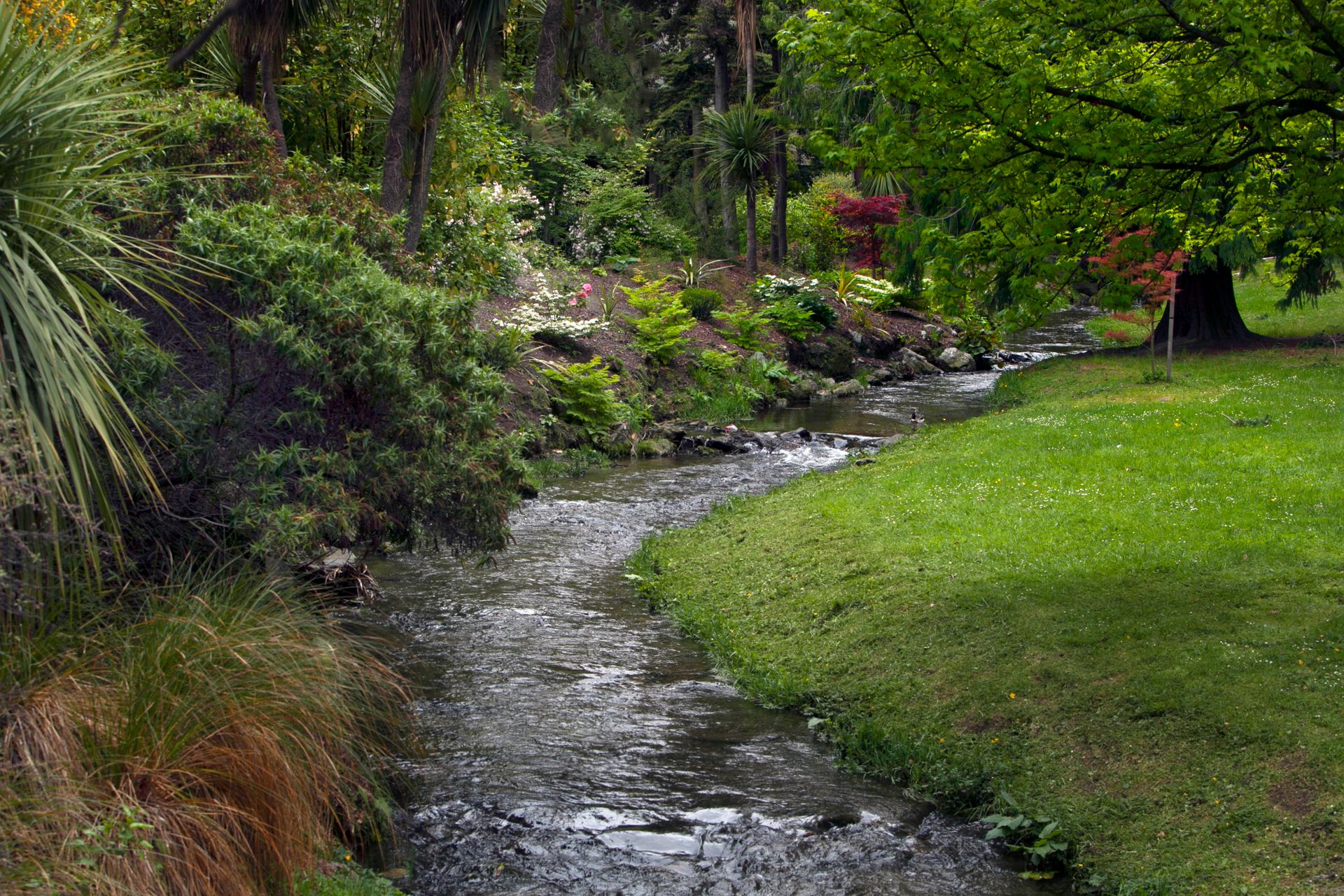
Riverside Garden is a landscape design that transforms a residential property with riverside access into a sanctuary where water, native ecology, and human use weave together. Rather than manicuring the landscape into submission, the design works with natural water systems, celebrating seasonal fluctuation and supporting local wildlife while creating spaces for occupation and restoration.
The site offered extraordinary natural features—riparian corridors, seasonal water flows, mature trees—but also faced erosion, invasive plantings, and disconnection from the river's natural cycles. The design strategy involved ecological restoration paired with carefully placed human spaces. The result is a landscape that feels wild yet inhabited, where the client experiences their property as part of living ecological systems rather than as land conquered for human use.
Design approach and materials
The design process began with understanding the site's hydrological and ecological systems. We mapped water flows across seasons, identified native plant communities, assessed wildlife corridors, and observed how the river's character changed through the year. Rather than imposing a predetermined design, we worked with these systems to guide our interventions.
Key interventions include: removing invasive species and replanting with native communities that support local wildlife, stabilizing riverbanks through living systems rather than engineered hardscape, creating seasonal water retention that supports plant and animal life while managing flood risk, and placing human gathering spaces to maximize water views and acoustic benefits of flowing water while minimizing disturbance to riparian zones.
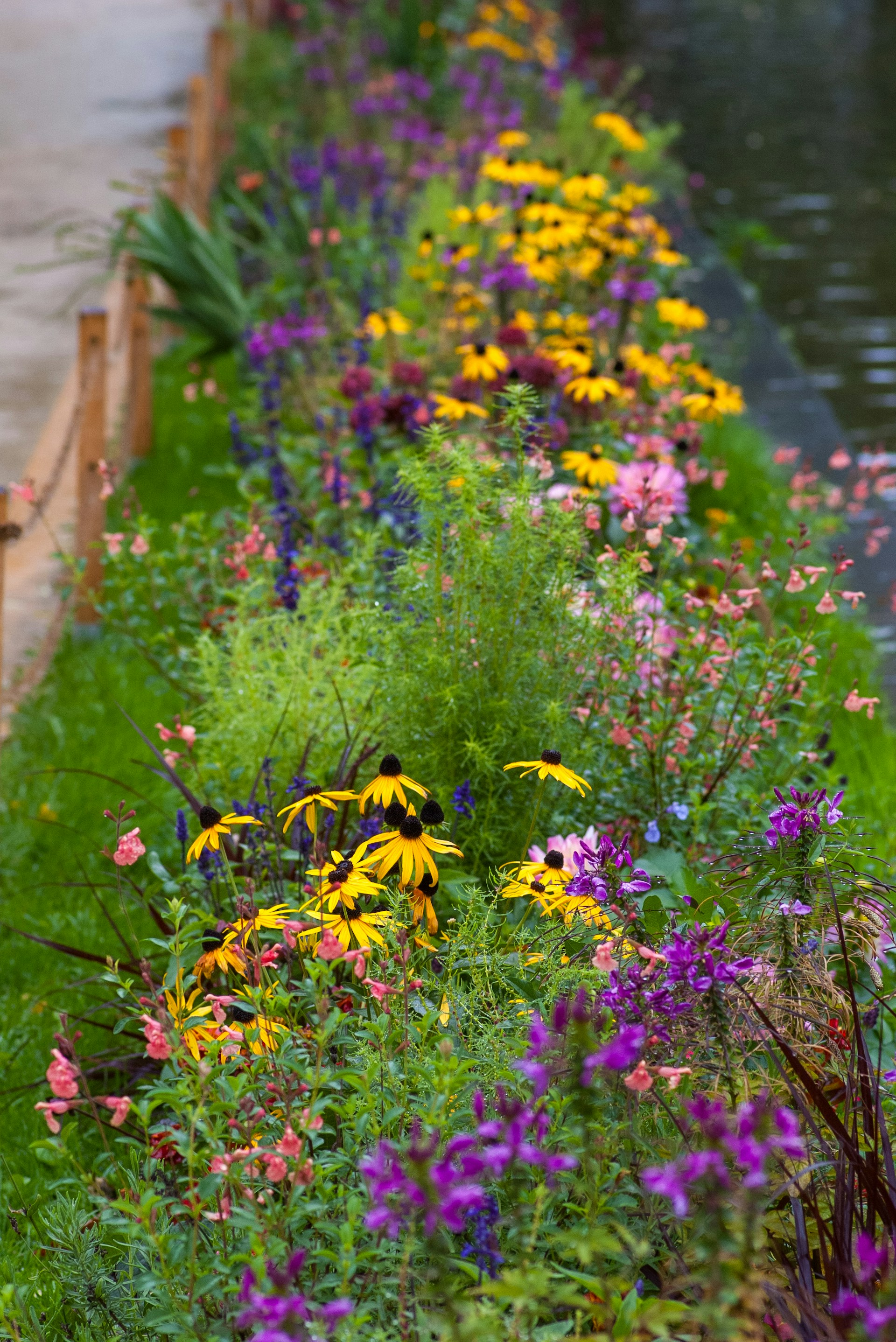
The planting palette celebrates seasonal transformation. Spring brings flowering understory species and returning migratory birds. Summer offers dense canopy and water-dependent plants flourishing in seasonal flood zones. Fall reveals seed pods and color from native species. Winter opens views across the landscape while evergreen species maintain structure and shelter. The landscape is designed to be most beautiful and biodiverse when water is present—the river's annual gift becomes a feature rather than a threat.
Gallery
The outcome
Riverside Garden demonstrates that residential landscapes can simultaneously support human well-being and ecological health. The clients now inhabit a property that feels like a sanctuary—a place where they experience deep connection to natural systems and seasonal cycles. They've become stewards of habitat and water health rather than controllers of land.
The project has influenced regional thinking about riparian restoration and water-conscious landscape design. Bird populations have increased, native plant diversity has expanded, and flood resilience has improved through natural systems rather than engineered solutions. What began as erosion and ecological degradation has transformed into a living system that supports human flourishing alongside thriving wildlife communities. The river is no longer something to resist but to celebrate.
More projects
This project used
Landscape Integration
We weave landscape into architectural form, creating seamless transitions.
Learn more →Biophilic Residential Architecture
We design homes that integrate natural light, living materials, and organic form.
Learn more →Interior Design
We create interiors rooted in biophilic principles and natural materials.
Learn more →Ready to start your project?
Let's discuss how we can create a landscape that supports both human flourishing and ecological health.
Start a Conversation